Sunday, April 22, 2012

Acute liver failure Disease


Acute liver failure happens when your liver rapidly loses its ability to perform. a lot of commonly, liver failure develops slowly over the course of years. however in acute liver failure, liver failure develops in a very matter of days.

Acute liver failure will cause several complications, as well as excessive bleeding and increasing pressure within the brain. Another term for acute liver failure is fulminant hepatic failure.

Acute liver failure may be a medical emergency that needs hospitalization. Some causes of acute liver failure are often reversed with treatment. however in alternative things, a liver transplant is also the sole cure for acute liver failure.

Saturday, April 21, 2012

Treatment of Acute kidney failure


Treatment for acute kidney failure generally needs a hospital keep. most of the people with acute kidney failure are already hospitalized. How long you will keep within the hospital depends on the explanation for your acute kidney failure and the way quickly your kidneys recover.
 
Treating the underlying reason for your kidney failure
Treatment for acute kidney failure involves identifying the illness or injury that originally broken your kidneys. Your treatment choices can rely upon what is inflicting your kidney failure.

Treating complications till your kidneys recover
Your doctor also will work to stop complications and permit your kidneys time to heal. Treatments that facilitate forestall complications include:
  • Treatments to balance the number of fluids in your blood. Acute kidney failure is usually caused by an absence of fluids in your blood. during this case, your doctor might suggest intravenous fluids. In different cases, acute kidney failure might cause you to own an excessive amount of body fluid, resulting in swelling in your arms and legs. In these cases, your doctor might suggest medications (diuretics) to cause your body to expel additional fluids.
  • Medications to regulate blood potassium. If your kidneys are not properly filtering potassium from your blood, your doctor might prescribe calcium, glucose or sodium polystyrene sulfonate (Kayexalate) to stop the buildup of high levels of potassium in your blood. an excessive amount of potassium within the blood will cause dangerous irregular heartbeats (arrhythmias).
  • Medications to revive blood calcium levels. If the degree of calcium in your blood drop too low, your doctor might suggest an infusion of calcium.
  • Dialysis to get rid of toxins from your blood. If toxins build up in your blood, you will got to endure temporary hemodialysis — usually mentioned merely as dialysis — to assist take away toxins and excess fluids from your body whereas your kidneys heal. Dialysis can also facilitate take away excess potassium from your body. throughout dialysis, a machine pumps blood out of your body through a synthetic kidney (dialyzer) that filters out waste. The blood is then came to your body.

Causes of Acute kidney failure


Acute kidney failure happens when your kidneys suddenly become unable to filter wastes from your blood. Acute kidney failure will occur when one thing damages your kidneys, or it will occur when another condition slows blood flow to your kidneys. Acute kidney failure also can occur when the wastes filtered by your kidneys are not able to leave your body through your urine.

 
Diseases and conditions that slow blood flow to the kidneys
Diseases and conditions which will slow blood flow to the kidneys and might result in kidney failure include:
  • Blood loss
  • Blood pressure medications
  • Heart attack
  • Heart disease
  • Infection
  • Liver cirrhosis
  • Nonsteroidal anti-inflammatory medicine, like aspirin, ibuprofen and naproxen
  • Severe hypersensitive reaction (anaphylaxis)
  • Severe burns
  • Severe dehydration

Diseases and conditions which will harm the kidneys
These diseases, conditions and agents could harm the kidneys and result in acute kidney failure:
  • Blood clots within the veins and arteries in and round the kidneys
  • Cholesterol deposits that block blood flow within the kidneys
  • Glomerulonephritis
  • Hemolytic uremic syndrome
  • Infection
  • Lupus
  • Medications, like sure chemotherapy medicine, antibiotics, dyes used throughout imaging tests and zoledronic acid (Reclast, Zometa), used to treat osteoporosis and elevated blood calcium levels (hypercalcemia)
  • Multiple myeloma
  • Scleroderma
  • Thrombotic thrombocytopenic purpura
  • Toxins, like alcohol, serious metals and cocaine
  • Vasculitis

Diseases and conditions that block urine from leaving the body
Diseases and conditions that block the passage of urine out of the body (urinary obstructions) and might result in acute kidney failure include:
  • Bladder cancer
  • Blood clots within the urinary tract
  • Cervical cancer
  • Colon cancer
  • Enlarged prostate
  • Kidney stones
  • Nerve harm involving the nerves that management the bladder

Symptoms of Acute kidney failure


Signs and symptoms of acute kidney failure could include:
  • Decreased urine output, though sometimes urine output remains traditional
  • Fluid retention, inflicting swelling in your legs, ankles or feet
  • Drowsiness
  • Shortness of breath
  • Fatigue
  • Confusion
  • Nausea
  • Seizures or coma in severe cases
  • Chest pain or pressure

Sometimes acute kidney failure causes no signs or symptoms and is detected through laboratory tests in dire straits another excuse.

When to envision a doctor
Make a briefing together with your doctor if you've got any signs or symptoms that worry you.

Acute kidney failure Disease


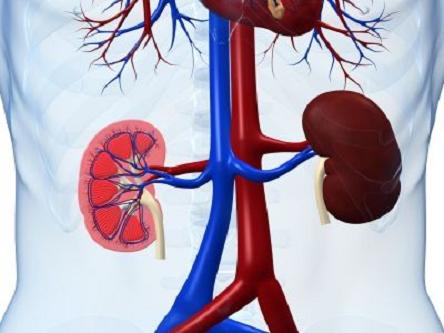
Acute kidney failure is that the sudden loss of your kidneys' ability to perform their main perform of eliminating excess fluid and salts (electrolytes) also as waste material from your blood. When your kidneys lose their filtering ability, dangerous levels of fluid, electrolytes and wastes accumulate in your body.

Acute kidney failure, that is additionally referred to as acute kidney injury, develops rapidly over many hours or many days. Acute kidney failure is commonest in those who are already hospitalized, notably in critically unwell those who would like intensive care.

Acute kidney failure may be fatal and needs intensive treatment. However, acute kidney failure is also reversible. If you are otherwise in sensible health, you'll recover traditional kidney perf

Friday, April 20, 2012

Treatment of Acute coronary syndrome


Treatment for acute coronary syndrome varies, looking on your symptoms and the way blocked your arteries are.

Medications
It's doubtless that your doctor can suggest medications that may relieve chest pain and improve flow through the guts. These might include:
  • Aspirin. Aspirin decreases blood clotting, serving to to stay blood flowing through narrowed heart arteries. Aspirin is one amongst the primary stuff you could also be given within the emergency area for suspected acute coronary syndrome. you'll be asked to chew the aspirin, therefore it's absorbed into your bloodstream additional quickly. If your doctor diagnoses your symptoms as acute coronary syndrome, he or she might suggest taking aspirin daily.
  • Thrombolytics. These medication, conjointly referred to as clotbusters, facilitate dissolve a blood clot that is blocking blood flow to your heart. If you are having a heart attack, the sooner you receive a thrombolytic drug when a heart attack, the larger the possibility you may survive and reduce the injury to your heart.
  • Nitroglycerin. This medication for treating chest pain and angina briefly widens narrowed blood vessels, improving blood flow to and from your heart.
  • Beta blockers. These medication facilitate relax your heart muscle, slow your heart rate and reduce your blood pressure, that decreases the demand on your heart. These medications will increase blood flow through your heart, decreasing chest pain and also the potential for injury to your heart throughout a heart attack.
  • Angiotensin-converting enzyme (ACE) inhibitors and angiotensin receptor blockers (ARBs). These medication permit blood to flow from your heart additional simply. Your doctor might prescribe ACE inhibitors or ARBs if you have had a moderate to severe heart attack that has reduced your heart's pumping capability. These medication conjointly lower blood pressure and will forestall a second heart attack.
  • Calcium channel blockers. These medications relax the guts and permit additional blood to flow to and from the guts. Calcium channel blockers are usually given if symptoms persist when you have taken nitroglycerin and beta blockers.
  • Cholesterol-lowering medication. Commonly used medication referred to as statins will lower your cholesterol levels, creating plaque deposits less doubtless. The goal of statin therapy is to scale back the low density lipoprotein (LDL, or "bad") cholesterol levels to below one hundred milligrams per deciliter (mg/dL).
  • Clopidogrel. The medication clopidogrel (Plavix) will facilitate forestall blood clots from forming by creating your blood platelets less doubtless to stay along. However, clopidogrel will increase your risk of bleeding, therefore make certain to let everybody on your health care team apprehend that you are taking it, notably if you would like any kind of surgery.

Surgery and alternative procedures
If medications are not enough to revive blood flow through your heart, your doctor might suggest one amongst these procedures:
  • Angioplasty and stenting. during this procedure, your doctor inserts a protracted, skinny tube (catheter) into the blocked or narrowed a part of your artery. A wire with a deflated balloon is had the catheter to the narrowed space. The balloon is then inflated, compressing the deposits against your artery walls. A mesh tube (stent) is sometimes left within the artery to assist keep the artery open. Angioplasty might also be done with laser technology.
  • Coronary bypass surgery. This procedure creates another route for blood to travel around a blocked coronary artery.

Causes of Acute coronary syndrome


Acute coronary syndrome could develop slowly over time by the increase of plaques within the arteries in your heart. These plaques, created of fatty deposits, cause the arteries to slender and create it tougher for blood to flow through them. This buildup of plaques is understood as atherosclerosis. Eventually, this buildup implies that your heart cannot pump enough oxygen-rich blood to the remainder of your body, inflicting chest pain (angina) or a heart attack.

Another medical term closely associated with acute coronary syndrome is coronary artery disease. Coronary artery disease refers to the injury to your heart arteries from atherosclerosis.

If one in all the plaques in your coronary arteries ruptures, it will cause a heart attack. In fact, several instances of coronary artery syndrome develop when a plaque ruptures. A blood clot can kind on the location of the rupture, blocking the flow of blood through that artery.